

Il Past Simple dei Verbi Regolari in Inglese
Imparare a utilizzare i tempi verbali al passato in inglese è un passo fondamentale per padroneggiare la lingua. La capacità di descrivere azioni compiute o di condividere esperienze passate è essenziale sia nella vita lavorativa che in quella privata. Questo articolo si concentra sul Past Simple dei verbi regolari, fornendo una guida dettagliata per la sua comprensione e applicazione.
Quando si usa il Past Simple?
Il Past Simple viene impiegato in diverse situazioni:
- Per descrivere un'azione terminata in un preciso momento nel passato. Ad esempio: "We went to the cinema last night."
- Per descrivere un'azione conclusa nel passato che non ha alcuna connessione con il presente. Ad esempio: "It was really hard and I don’t think I did very well."
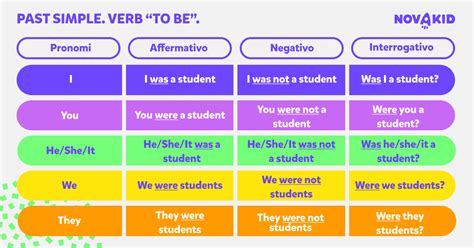
Come si forma il Past Simple
Forma Interrogativa
Per formulare domande al Past Simple si utilizza l'ausiliare did (il passato di 'do'), seguito dal soggetto e dalla forma base del verbo:
- SINGOLARE: Did I play? Did you play? Did he/she/it play?
- PLURALE: Did we play? Did you play? Did they play?
È importante notare che nella forma interrogativa del Past Simple, l'ausiliare 'did' è lo stesso per tutti i pronomi personali.
Forma Negativa
Per formare le frasi negative si utilizza la forma contratta didn't (al posto di 'don't' usato nel Present Simple), seguita dalla forma base del verbo:
- I didn’t play
- You didn’t play
- He/She/It didn’t play
- We didn’t play
- You didn’t play
- They didn’t play
Forma Affermativa: Verbi Regolari
La maggior parte dei verbi inglesi è regolare e segue una struttura comune per la formazione del Past Simple. Per creare la forma affermativa, si aggiunge il suffisso -ed alla forma base del verbo:
- PRESENT SIMPLE: I play, you look, they wait
- PAST SIMPLE: I played, you looked, they waited
Esistono alcune regole specifiche per l'aggiunta del suffisso -ed:
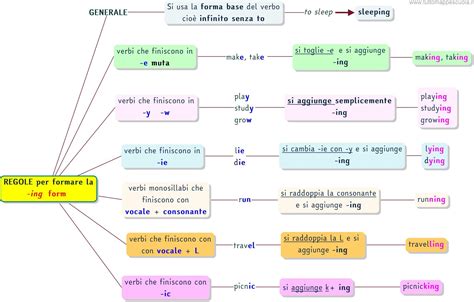
- Se il verbo termina già in -e, si aggiunge solamente -d:
- hope - hoped
- blame - blamed
- Se il verbo termina in -y preceduta da una consonante, si sostituisce la -y con -i e si aggiunge -ed:
- study - studied
- tidy - tidied
Pronuncia del suffisso -ed
Il suffisso -ed può essere pronunciato in tre modi diversi, a seconda della lettera finale del verbo:
- /t/: Per verbi che terminano in -ch, -sh, -ss, -k, -x, -p (es. wash, kick, jump).
- /id/: Per verbi che terminano in -t o -d (es. wait, need, expect).
- /d/: Per verbi che terminano con tutte le altre lettere (es. listen, move, play).
Esempi di verbi regolari al Past Simple
- We stayed in a four-star hotel on holiday. It was really nice.
- Did Ahmed play in the match? - No. He didn’t play because he injured his foot last week.
- I worked from 7am to 7pm yesterday. I’m really tired today.
- You studied a lot for the exam and deserved to get a good mark.
- They waited an hour for the train and eventually decided to take a bus.
- When did you finish your essay? - I finished it at midnight.
- We didn’t want to cook last night so we ordered a pizza.
Verbi Irregolari
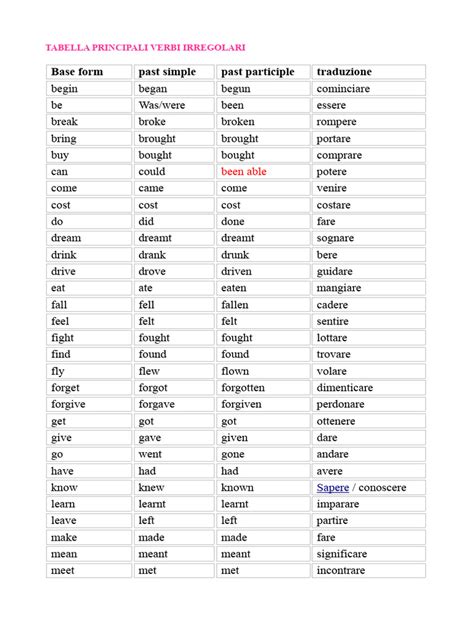
Sebbene la maggior parte dei verbi segua la regola regolare, esistono circa 200 verbi irregolari in inglese. È consigliabile studiarli gradualmente. I verbi irregolari più frequenti sono circa 30 e concentrarsi su questi è un ottimo punto di partenza. Il verbo to be è particolarmente importante e presenta due forme:
- SINGOLARE: I was, you were, he/she/it was
- PLURALE: we were, you were, they were
Tutti gli altri verbi irregolari mantengono la stessa forma per tutti i soggetti nella loro forma passata. Alcuni esempi comuni includono:
- VERBO BASE: be, become, bring, buy, come, do, drink, eat, feel, find, give, go, have, know, leave, make, meet, pay, put, read, say, see, send, take, tell, think, understand, wake, write
- PAST SIMPLE: was/were, became, brought, bought, came, did, drank, ate, felt, found, gave, went, had, knew, left, made, met, paid, put, read (/red/), said, saw, sent, took, told, thought, understood, woke, wrote
Esempi di verbi irregolari al Past Simple
- We were late for our flight on Tuesday and had to wait four hours for the next one.
- Sally bought a new mobile phone at the weekend.
- He did a great job painting the house last summer.
- I didn’t eat anything for breakfast but I ate a lot at lunchtime.
- They found a special offer for a cruise in June.
- Juliet had a headache this morning so she took an aspirin.
- My brother left school when he was 16 but I stayed until I was 18.
- Paolo’s grandmother made us our Wedding cake. It was delicious.
- Where did you two meet? - We met at my friend’s last birthday party.
- What was the last book you read? - It was a murder mystery by Agatha Christie.
- Anique came in and put the shopping on the table.
- The suppliers sent the goods on Monday 1st October.
- Who told you the good news?
- How did the meeting go? It went well thanks. The client had a strong accent but I understood almost everything he said.
- What do we need to buy? I wrote a shopping list but I left it at home.
Esercizi con il Past Simple
La struttura del Past Simple non è eccessivamente complessa, ma memorizzare tutti i verbi irregolari richiede pratica. Per acquisire maggiore sicurezza nell'uso del Past Simple, si consigliano i seguenti approcci:
- Esercitarsi con i quiz disponibili nelle aree di pratica dedicate.
- Leggere articoli che presentano esempi di Past Simple in contesti interessanti e attuali.
- Tenere un diario personale, annotando le attività svolte alla fine di ogni giorno o settimana.
- Imparare pochi verbi irregolari alla volta (ad esempio, cinque a settimana). Per ogni verbo irregolare appreso, scrivere due o tre esempi personali per facilitarne la memorizzazione.
PAST SIMPLE: quando si usa e quali sono le regole?
Ora sei pronto per parlare sia al presente che al passato!
tags: #esercizi #past #simple #verbi #regolari